
qEEG-Guided Neurofeedback for PTSD and Trauma in Wheat Ridge
For teens and adults living with the effects of trauma. Neurofeedback helps calm the stress response, without having to talk through what happened. Every session is run by a board-certified Neurofeedback therapist. We accept Colorado Medicaid through CCHA and Colorado Access, and self-pay.
Does this sound familiar?
- You're on high alert all the time, even when you're safe.
- Sleep is hard, or nightmares wake you up.
- Memories or triggers show up when you don't expect them.
- You feel numb or disconnected, or your emotions feel out of control.
- You've tried therapy, and it helped, but you're still not where you want to be.
You're not alone, and it's not a sign that you're doing something wrong.
How Neurofeedback can help with trauma
- Calming the stress response. Trauma can leave the brain stuck in "fight-or-flight." Neurofeedback trains the brain toward calmer, steadier patterns, so you're not on high alert all the time.
- Better emotional control. Many people find triggers easier to manage and emotions less overwhelming as training goes on.
- Support for the symptoms that wear you down. Research reviews have found improvement in anxiety, sleep problems, intrusive thoughts and emotional numbing.
- Your brain learns as it goes. Real-time feedback helps the brain build healthier patterns, without having to talk through the trauma.
Why we start with a brain map
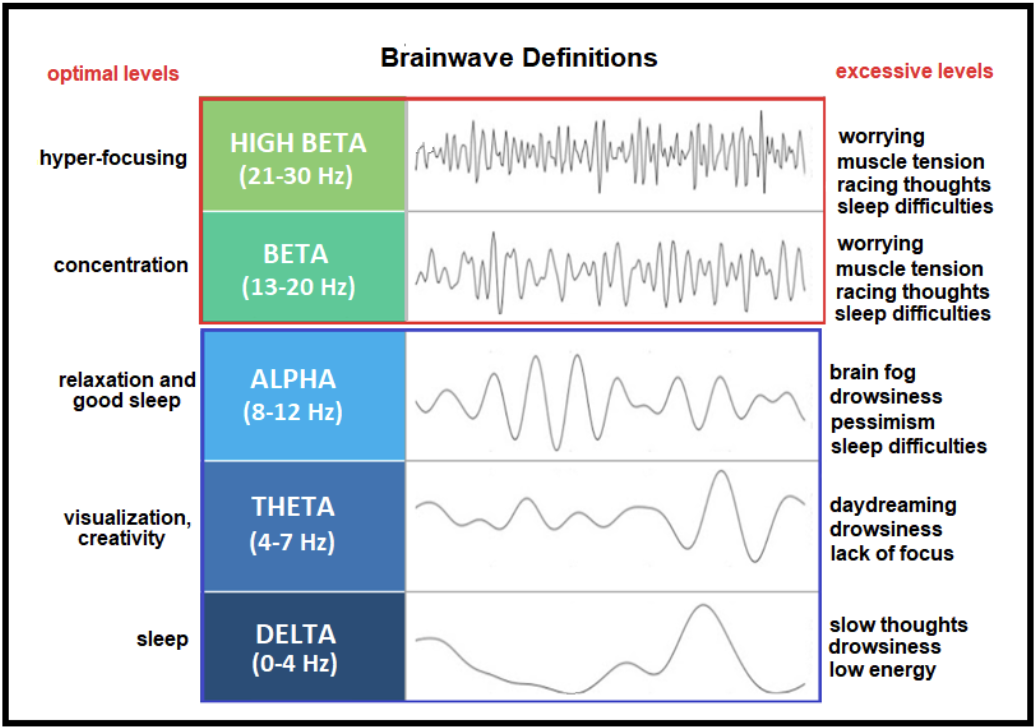
A qEEG brain map shows us how your brain is actually working. It shows where there are dysregulated patterns and helps set the protocols for your Neurofeedback training. Your plan is based on your brain, not a standard protocol.
How Neurofeedback works
During each session, sensors read your brain's activity while you receive auditory and visual feedback. The brain learns from that feedback in real time. It's non-invasive and non-medication, and you don't have to talk about your trauma for it to work.
What to expect
- Free 15-minute phone consult. Ask anything. We'll walk you through costs and coverage.
- qEEG brain map. It shows us where there are dysregulated patterns and helps set the protocols for training. The brain map is self-pay.
- Twice-weekly sessions, in person. Neurofeedback requires two sessions a week.
- Measured results. We track symptoms at the start and chart the change over time.
Working alongside your current care
Neurofeedback works alongside therapy and medication. It isn't a replacement for them. If you have a therapist, we're happy to coordinate with them.
What the research says
In a 2016 randomized controlled study led by trauma researcher Bessel van der Kolk, people with chronic PTSD who did 24 sessions of Neurofeedback showed significant improvement in PTSD symptoms and emotional regulation compared with a waitlist group. Two 2023 reviews of controlled studies also found improvement in PTSD symptoms. Researchers say larger studies are still needed.
Insurance and payment
Colorado Medicaid covers Neurofeedback through CCHA and Colorado Access, and no prior authorization is needed. With Medicaid, the brain map is the one out-of-pocket cost.
Without Medicaid, Neurofeedback is self-pay. Some families are able to use HSA funds or get reimbursed by their insurance, and we can provide a superbill if you need one.
Common questions
Who do you work with?
Teens and adults.
Do I need a PTSD diagnosis to start?
No. The qEEG brain map shows us what's going on and guides your training.
Will I have to talk about my trauma?
No. Neurofeedback works without talking through what happened.
How many sessions does it take?
40 sessions is typical, and 20 is the minimum. Your brain map helps us figure out what you'll need.
Do I have to stop seeing my therapist?
No. Neurofeedback works alongside therapy.